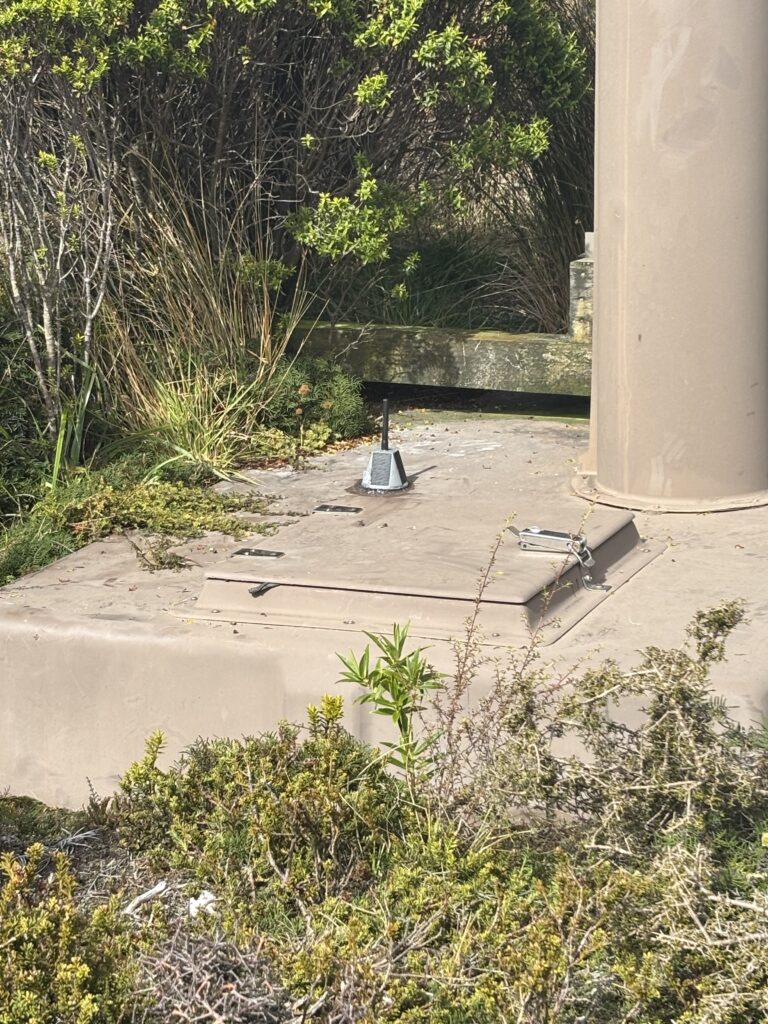
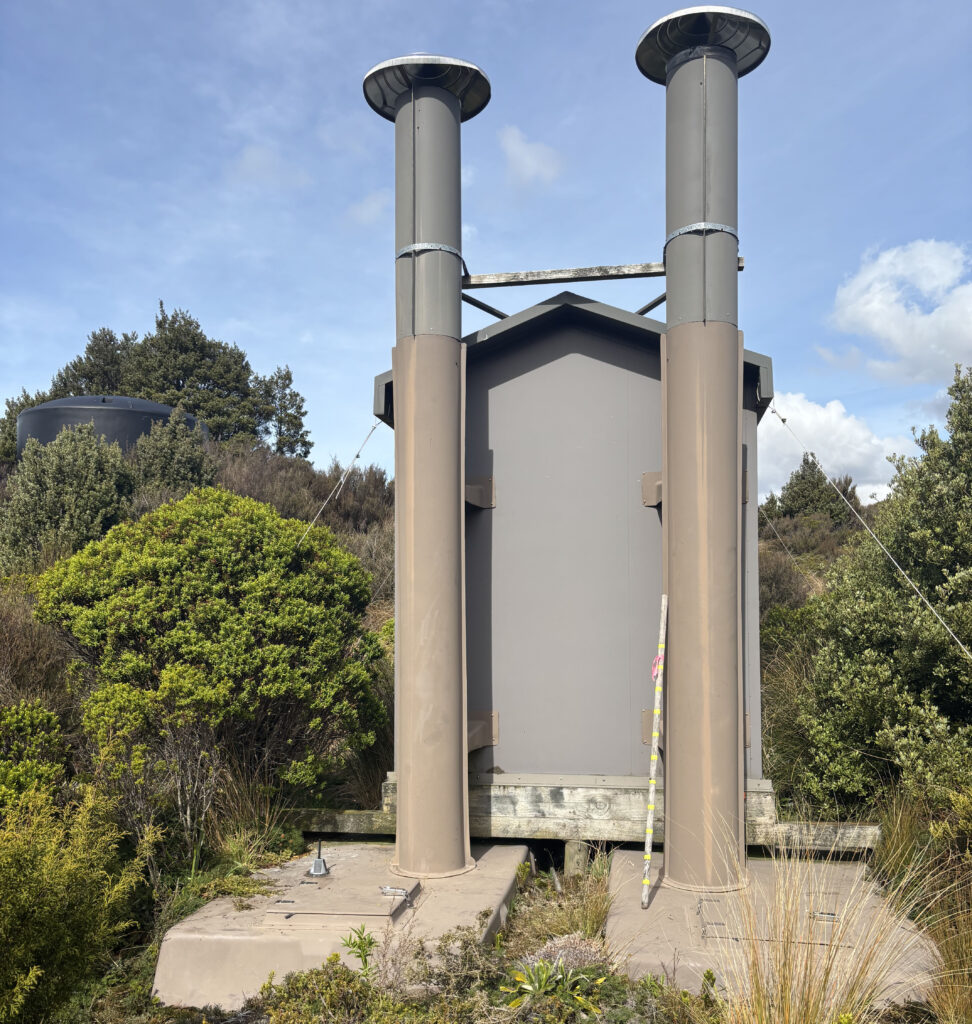
Transforming New Zealand’s Remote Tracks Using Satellite Connected via Ontoto Razar Devices.
Deep in New Zealand’s wilderness, where rugged terrain meets breathtaking beauty, a quiet technological shift is underway. Aiming to improve conservation efforts while reducing costs and environmental impact. In partnership with OneNZ and leveraging Starlink’s satellite network, we have developed the Ontoto Razar. A device designed to tackle even remote environments. This innovation is now being deployed across Department of Conservation (DOC) sites, starting with some of the country’s busiest walking tracks.
Source: One NZ and Department of Conservation.
The Challenge of Remote Maintenance
Maintaining backcountry toilet facilities has always been a logistical challenge. Traditionally, DOC teams have relied on scheduled inspections or manual checks, often requiring long and costly trips by foot, helicopter, or off-road vehicles. These journeys are not only expensive but also contribute to carbon emissions and operational inefficiencies.
The problem? There’s been no reliable way to know when a toilet actually needs servicing.
Ontoto’s Solution
By installing satellite enabled sensors inside remote toilets, wastewater levels can now be monitored in real time. The Ontoto Razar device transmits data via Starlink’s low-earth orbit satellite network, far beyond the reach of cellular networks.
This solution enables the DOC teams to monitor real time levels remotely and respond when servicing has alarmed via the Ontoto Dashboard. This means no unnecessary trips and associated costs, as well as more efficient allocation of resources for the end user.
Real Impact, Right Now
On some of New Zealand’s most heavily trafficked tracks, DOC is projected to save up to $180,000 annually thanks to reduced transport and maintenance costs. And more importantly, fewer trips into these fragile environments mean a more sustainable outcome. Lowered carbon emissions, reduced disturbance to wildlife and safer working conditions for field staff.
And while the current focus is on wastewater monitoring, the potential applications extend far beyond. This device can track water quality, provide monitoring of weather, and broader environmental sensing.